Returning to the Ancient Capital of Hoa Lu, Ninh Binh
A journey through the ancient capital of Hoa Lu with its historic temples, vast courtyards, and the enduring legacy of the first capital of Dai Co Viet.
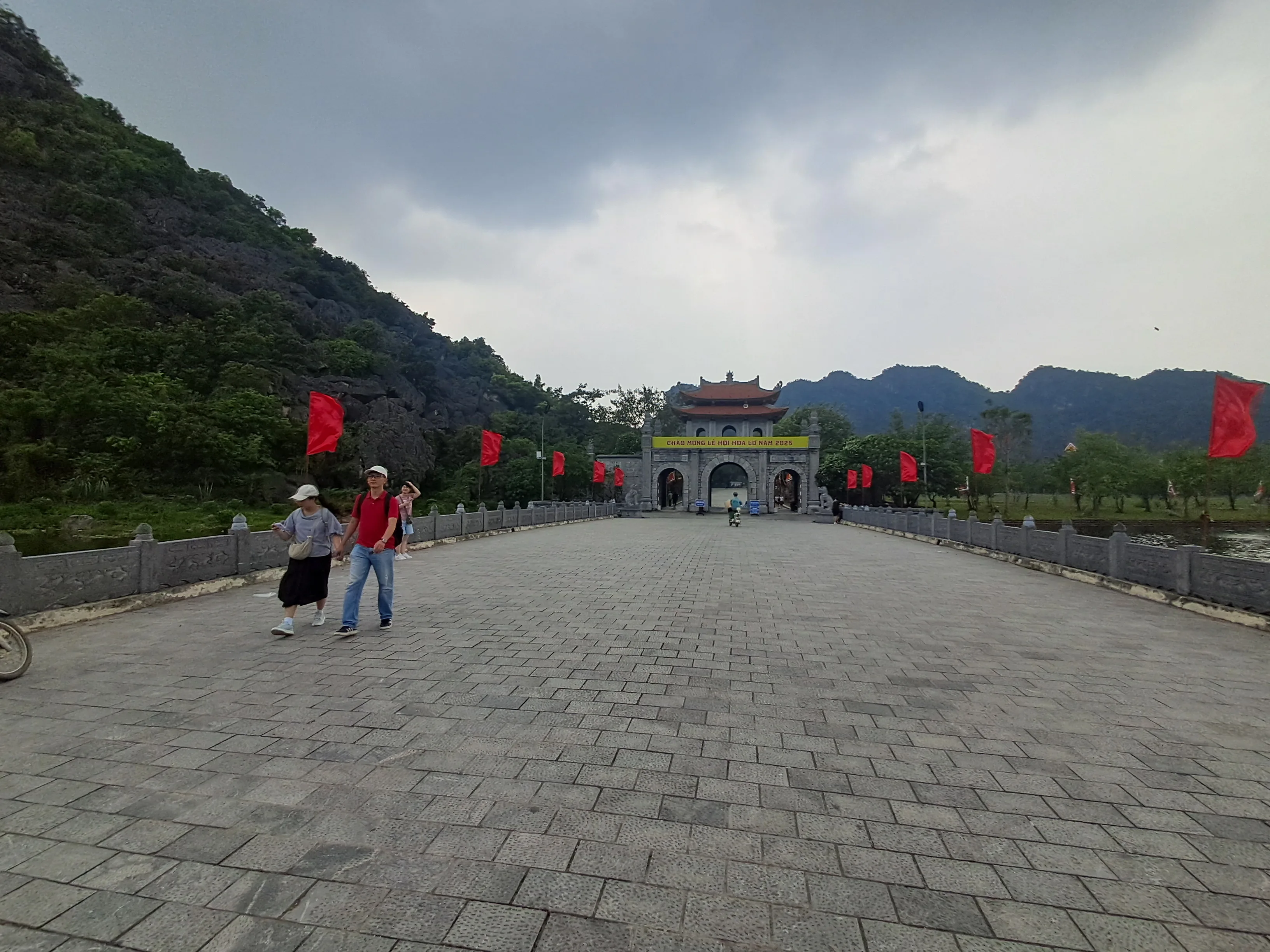
Some places preserve more than beautiful landscapes — they also carry the echoes of history. The ancient capital of Hoa Lu is one of those places. Hidden among the majestic limestone mountains of Ninh Binh, the first capital of Dai Co Viet still holds a quiet and timeless atmosphere, both solemn and peaceful.
That morning, the sky over Ninh Binh felt soft and gentle after a night of rain. From afar, the entrance gate to the ancient complex stood out against the dark green limestone mountains surrounding it.
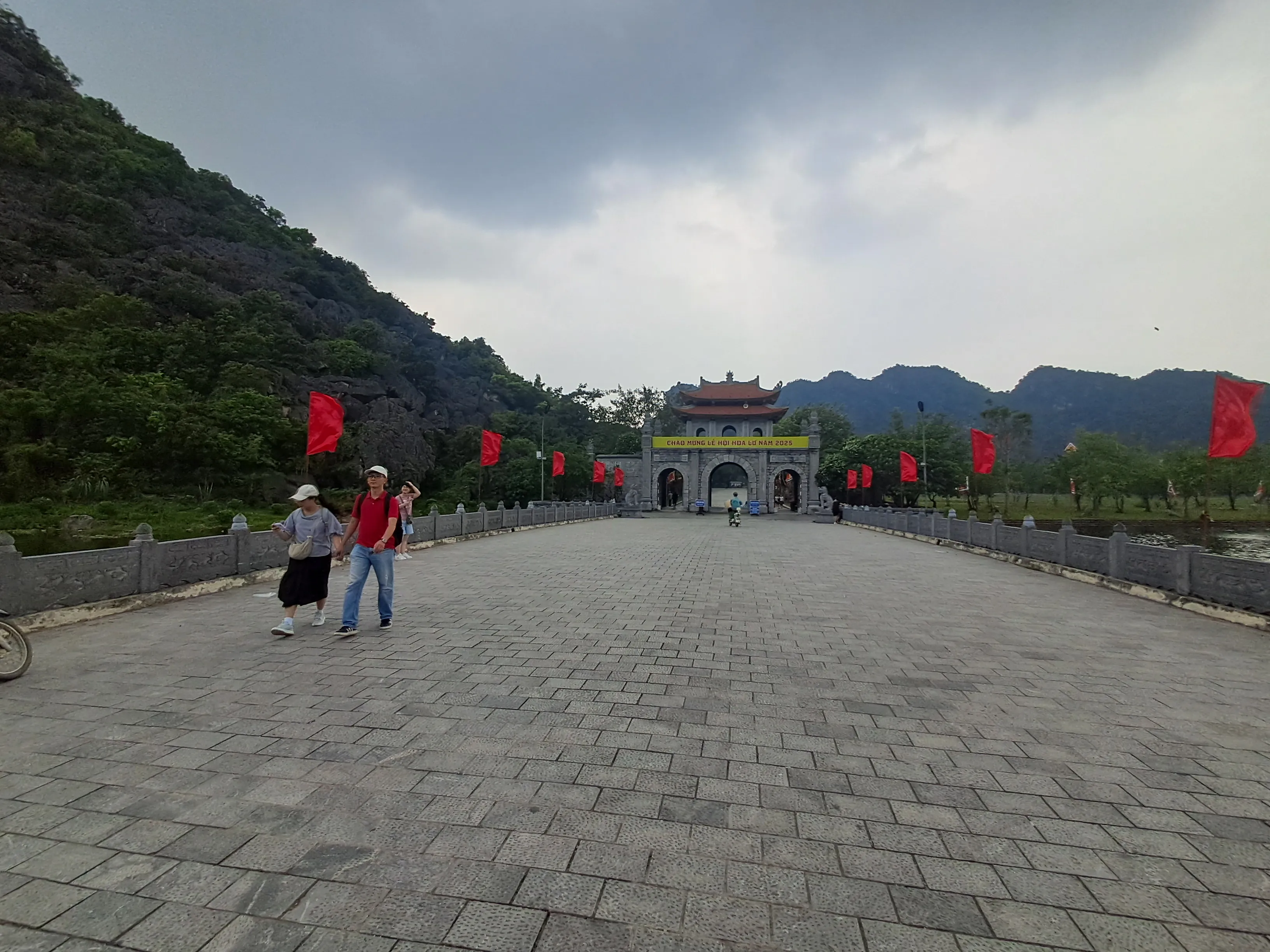
From the very first steps inside, the atmosphere felt completely different from the usual crowded tourist attractions. Everything seemed slower and quieter, as though time itself had remained suspended here for more than a thousand years.
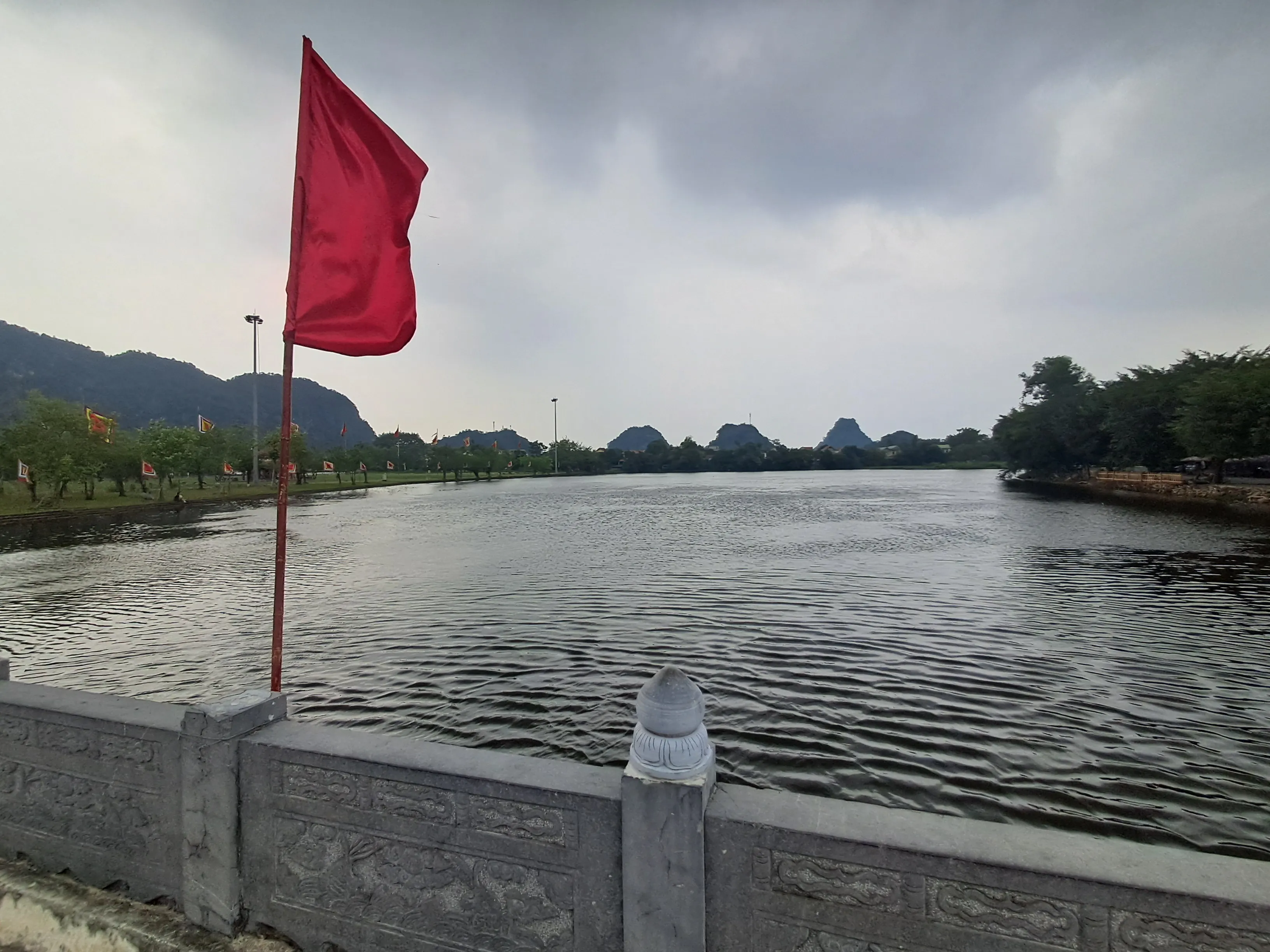
In front of the historical complex lies a wide lake reflecting the iconic limestone mountains of Ninh Binh. Beneath the soft morning light, the still surface of the water creates scenery that feels calm and poetic.
Sitting quietly beside the lake while watching the distant ancient temple roofs appear through the trees, it becomes easy to feel as though you are stepping into a forgotten chapter of Vietnamese history.
Hoa Lu served as the capital of Dai Co Viet during the Dinh and Early Le dynasties from 968 to 1010. It was here that King Dinh Tien Hoang unified the country after defeating the Twelve Warlords, establishing the first centralized feudal state in Vietnam’s history.
Later, King Ly Thai To moved the capital to Thang Long, present-day Hanoi, but Hoa Lu continued to hold deep historical significance within the nation’s cultural memory.
Today, the most important structures within the ancient capital are the temples dedicated to King Dinh Tien Hoang and King Le Dai Hanh — two rulers closely associated with the earliest era of Vietnam’s independence and self-governance.
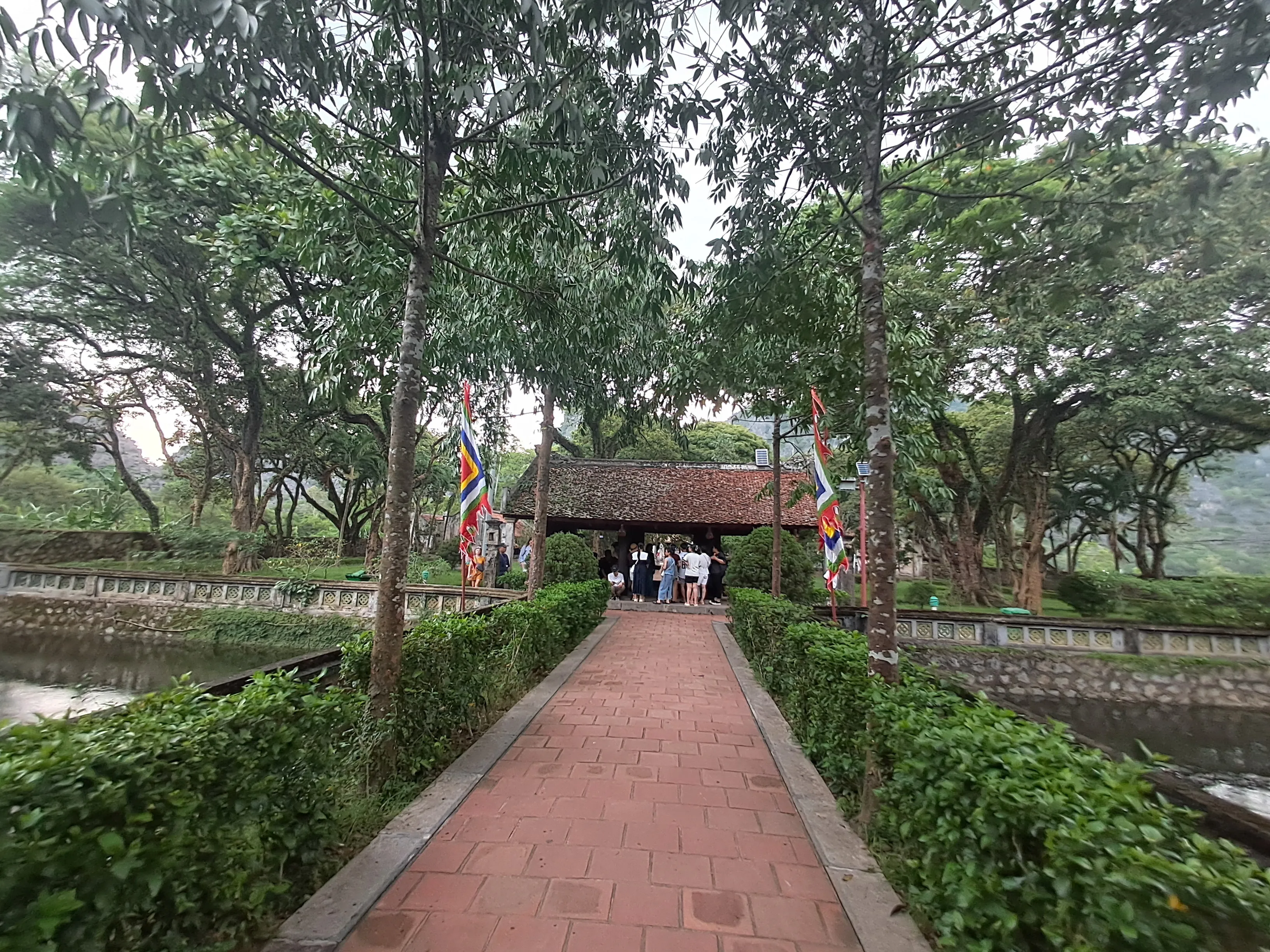
Further inside stand ancient temple structures surrounded by dramatic mountain scenery. Moss-covered tiled roofs, massive wooden pillars, and wide stone courtyards give the entire complex an atmosphere that feels both majestic and deeply rooted in traditional Vietnamese architecture.
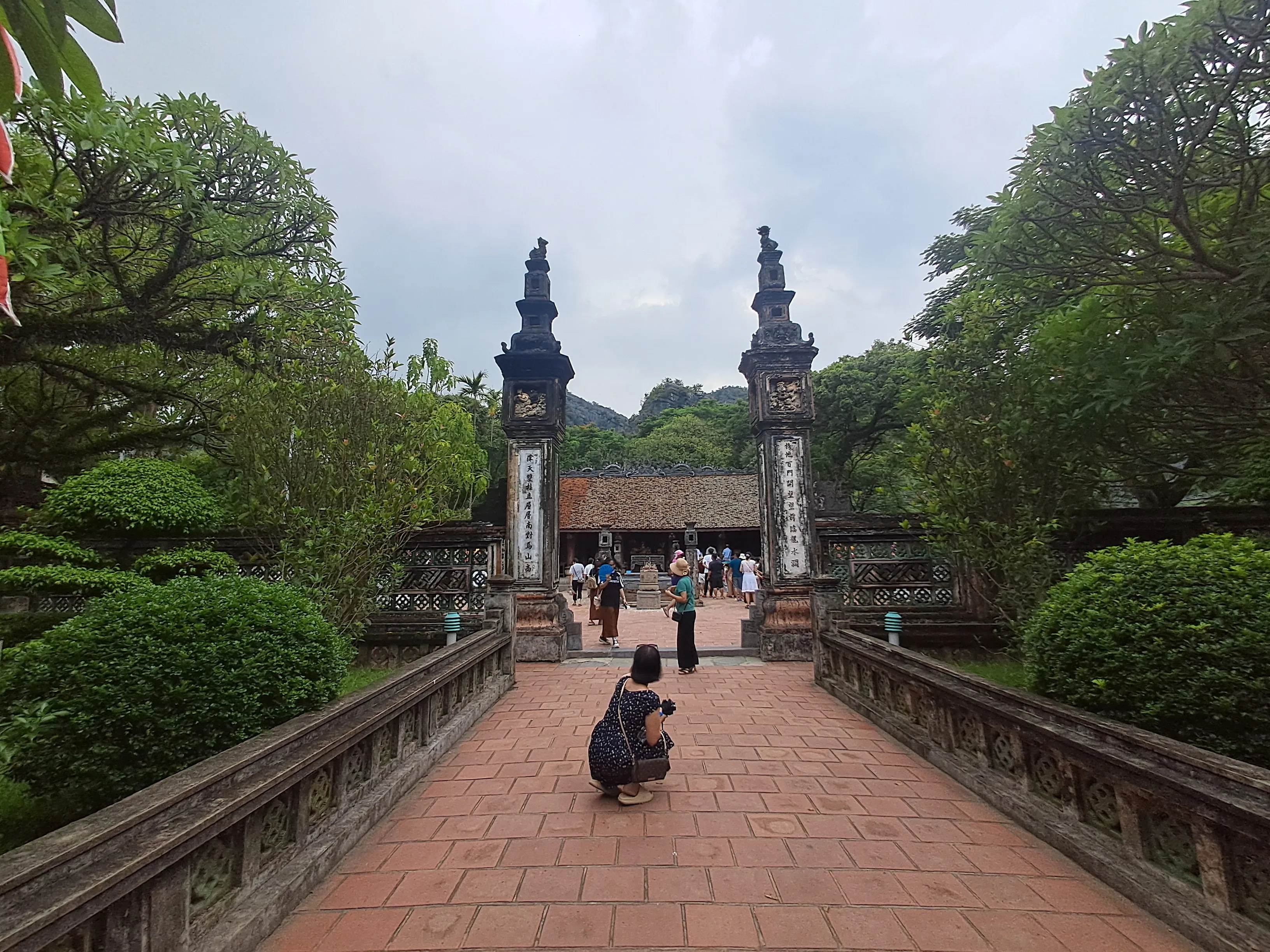
The Temple of King Dinh was built following the traditional “noi cong ngoai quoc” architectural style and is especially known for its intricate wooden carvings that have survived for centuries. It is also one of the rare places in Vietnam where King Dinh Tien Hoang, his parents, and his royal generals are worshipped together.
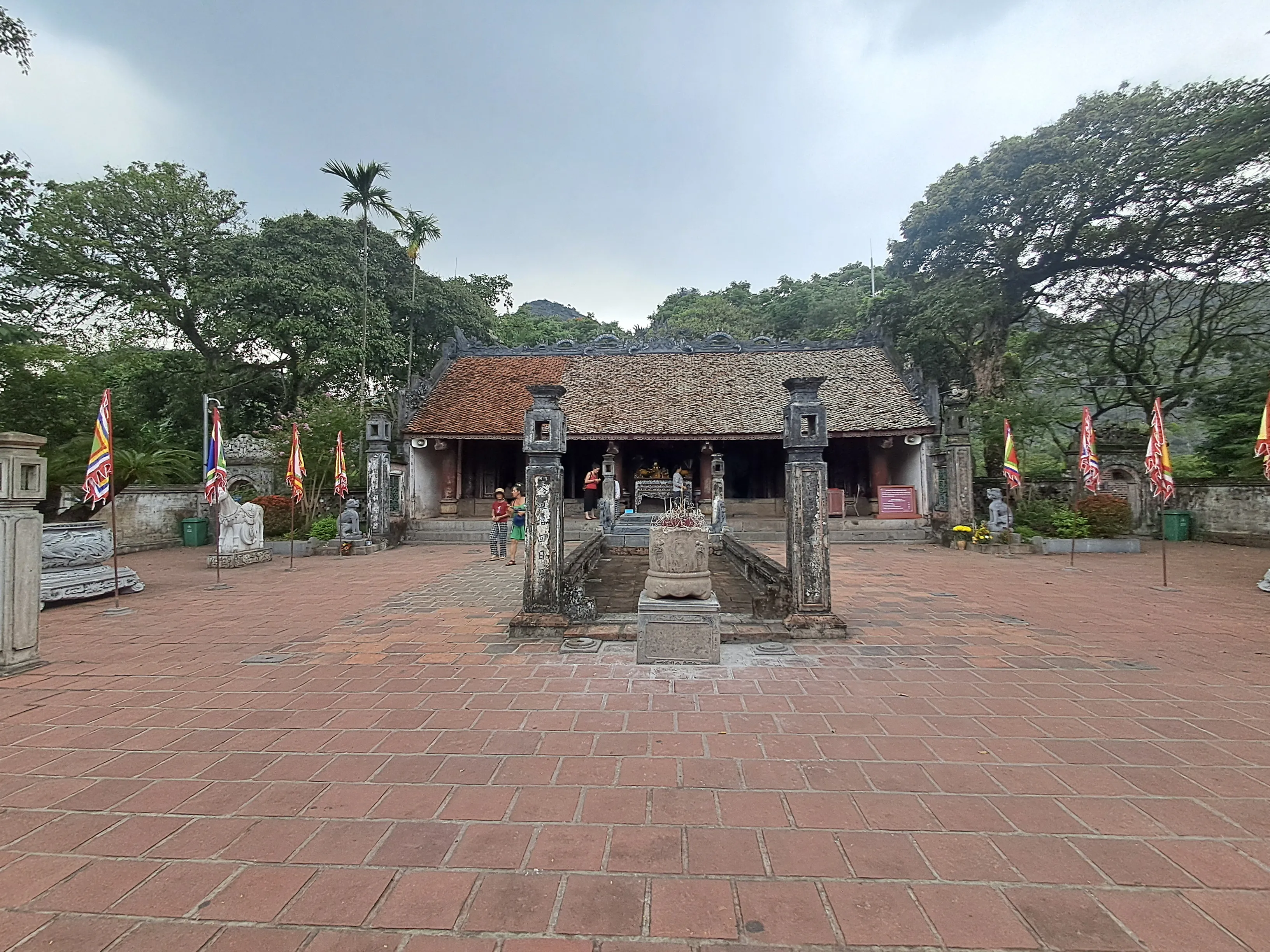
Not far away stands the Temple of King Le Dai Hanh, smaller in scale yet equally sacred and ancient. With the wind gently moving through the old trees surrounding the area, the entire historical complex carries a remarkable sense of peace.
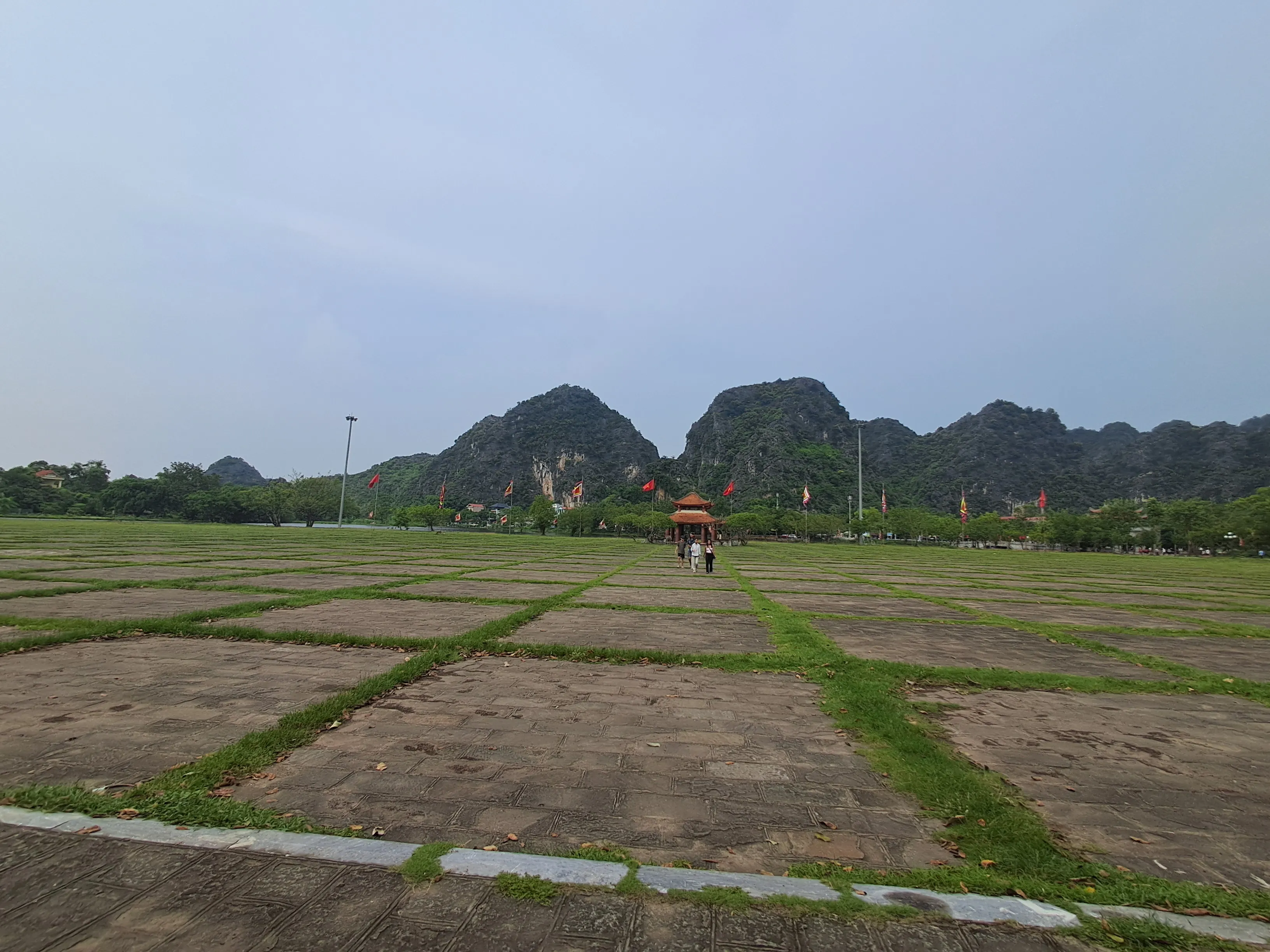
One of the things I loved most about Hoa Lu was its open and spacious atmosphere. Large stone courtyards stretch across the mountain landscape, creating a wonderfully relaxing feeling while walking through the area.
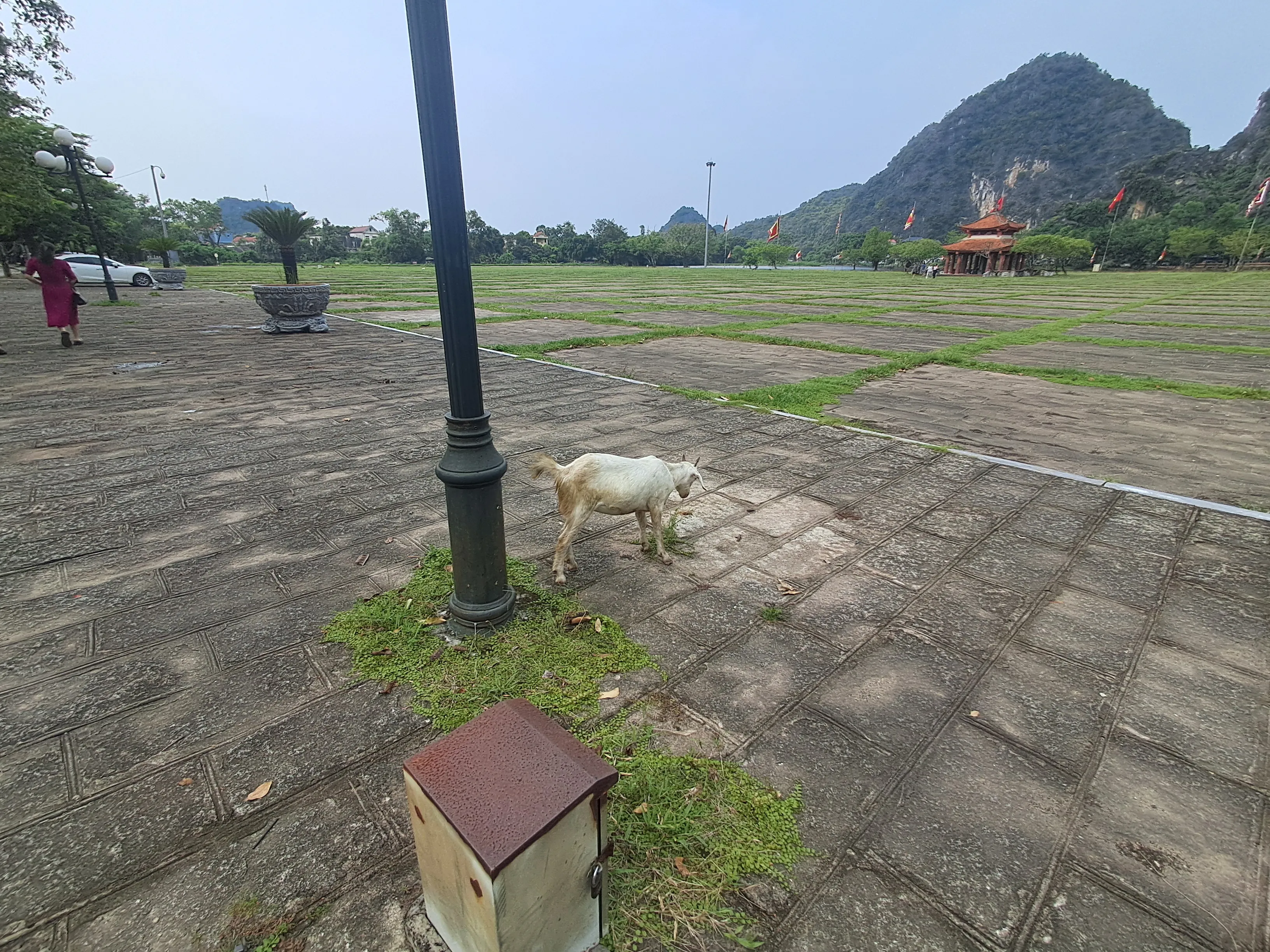
From time to time, a few goats could be seen quietly grazing on the grass beneath the limestone cliffs. That simple image somehow made the scenery feel even more peaceful and uniquely characteristic of Ninh Binh.
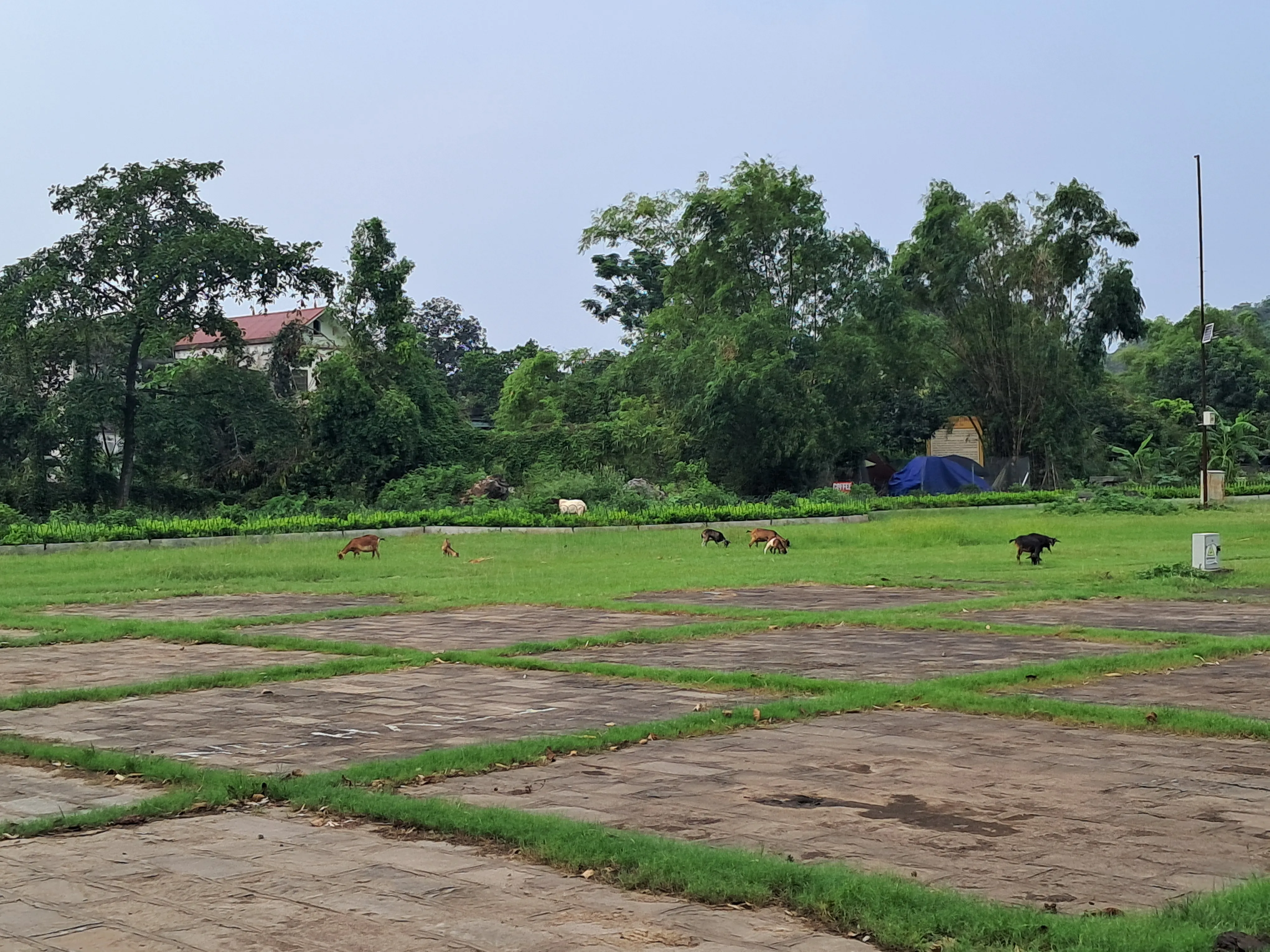
Standing in the middle of the vast courtyard while looking at the mountains encircling the ancient capital, it feels as though history and nature have merged into one. The atmosphere is both grand and deeply tranquil in a way that is difficult to describe.
Hoa Lu Ancient Capital is located in Truong Yen Commune, Hoa Lu District, Ninh Binh Province, around 12 kilometers from Ninh Binh city center and nearly 100 kilometers from Hanoi. It is often included in travel itineraries alongside nearby attractions such as Trang An, Tam Coc, and Bai Dinh Pagoda.
Current entrance ticket prices are approximately:
- Adults: around 20,000 VND per person
- Children: around 10,000 VND per person
- Children under 1 meter tall: free admission
During certain traditional festivals in Hoa Lu, visitors may also enjoy free entrance to the historical site.
The best time to visit is early in the morning or late afternoon, when the weather is cooler and the sunlight makes the surrounding mountain scenery even more beautiful.
Hoa Lu Ancient Capital is not a noisy or modern destination. What makes this place special is the feeling of walking through a real piece of Vietnam’s history.
Among the mountains of Ninh Binh, the ancient temple roofs, the vast courtyards, and the wind passing quietly through the old trees make everything feel slower and calmer. And sometimes, a single afternoon wandering through Hoa Lu is enough to understand why this land has preserved its unique charm for more than a thousand years.